
Ta Prohm Temple Guide: How to Visit the Tomb Raider Temple in Angkor
Listing Description
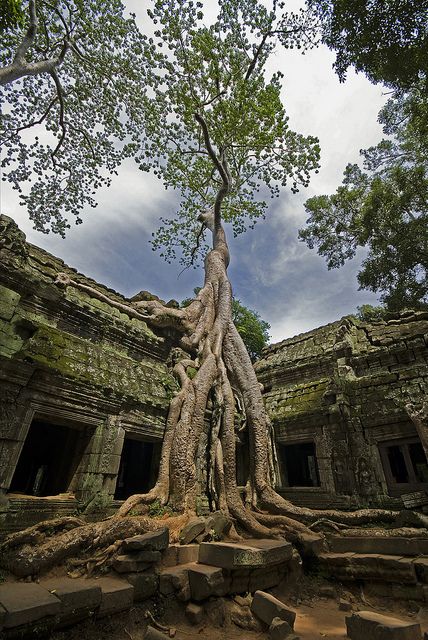
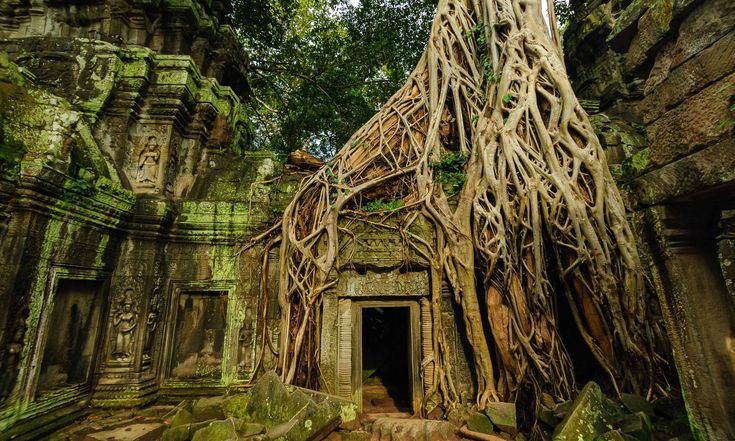
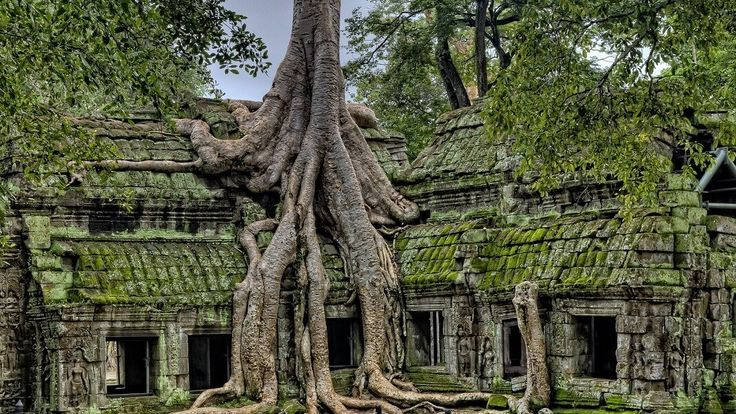
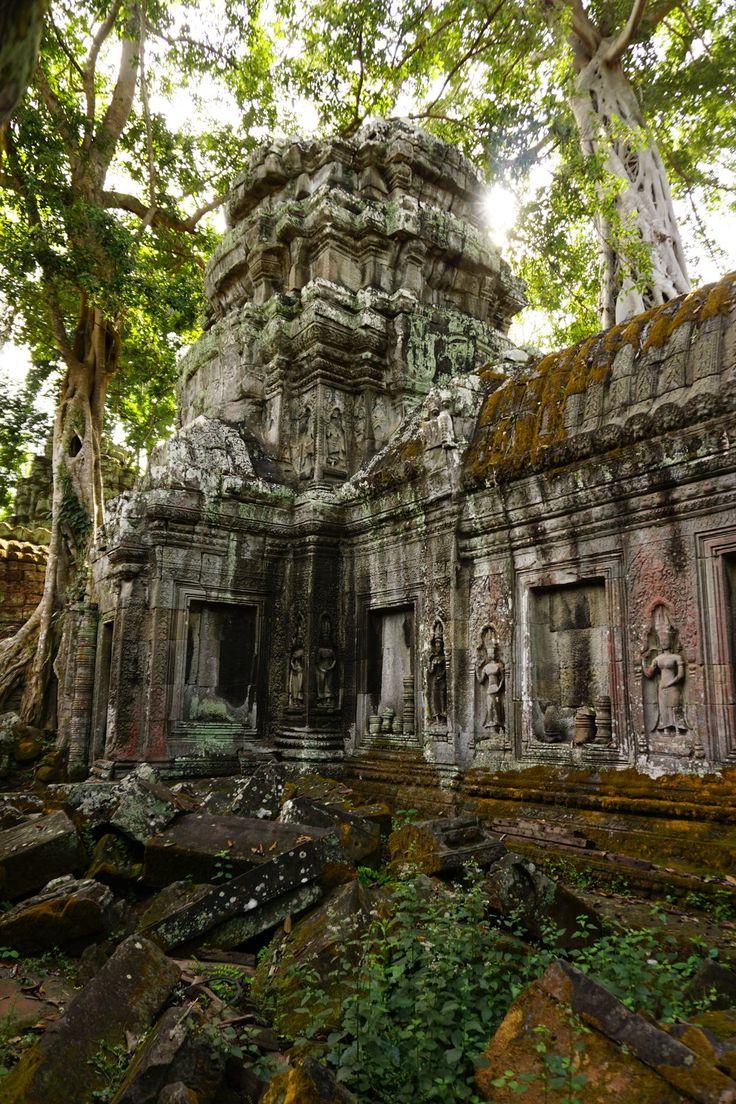
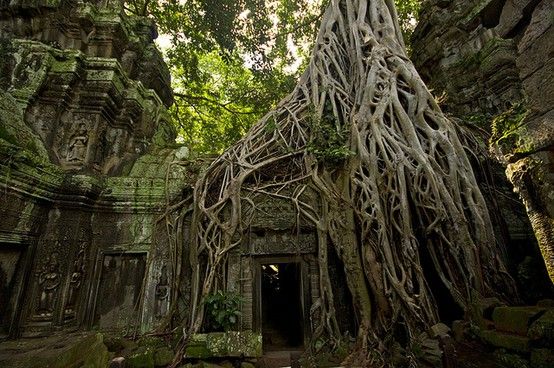
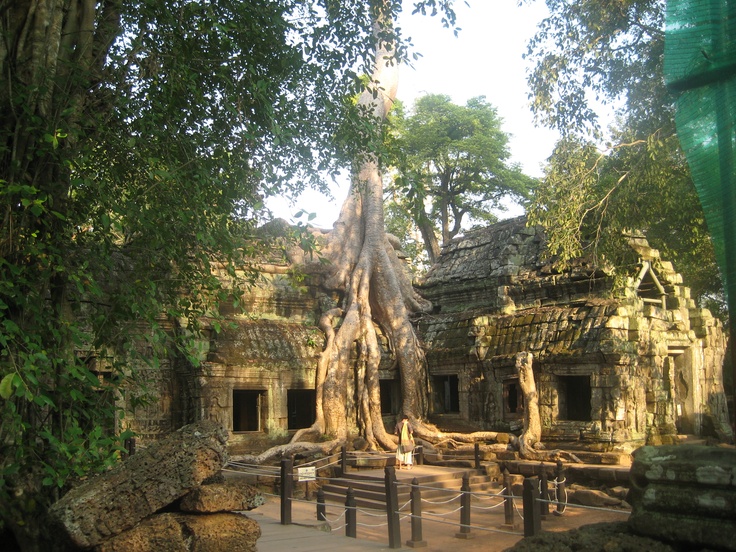
Ta Prohm Temple is one of the most iconic temples in the Angkor Archaeological Park. Known as the “Tomb Raider Temple,” it is famous for massive tree roots growing over ancient ruins. Built in the late 12th century by King Jayavarman VII, Ta Prohm has been left largely in its natural state, giving visitors a unique jungle-temple experience unlike any other in Cambodia.
How to Get There? (with Google Map)
Ta Prohm is located about 10–15 km from Siem Reap city center.
Options:
-
Tuk-tuk (most popular, ~$15–$25/day)
-
Bicycle (eco-friendly but hot)
-
Private car or guided tour
📍 Google Map: https://maps.google.com/?q=Ta+Prohm+Temple
Admission
Ta Prohm is part of the Angkor complex, so tickets are required for Angkor Archaeological Park:
-
1-day pass: $37
-
3-day pass: $62
-
7-day pass: $72
Tickets can be purchased at the official Angkor ticket office.
Things to Do
-
Explore the famous tree-root-covered ruins
-
Take photos at the “Tomb Raider” filming spots
-
Walk through atmospheric corridors and courtyards
-
Learn Khmer history with a local guide
-
Visit early morning for fewer crowds
What to Eat
Near Ta Prohm and within Angkor area:
-
Khmer BBQ and grilled skewers
-
Fried rice and noodles
-
Fresh coconut drinks
-
Local snacks like sticky rice with mango
For more variety, head back to Siem Reap for restaurants like:
-
Chanrey Tree
-
Khmer Kitchen Restaurant
Where to Stay
Stay in Siem Reap for easy access:
Budget:
-
Onederz Hostel Siem Reap
Mid-range:
-
Golden Temple Hotel
Luxury:
-
Park Hyatt Siem Reap
Best Time to Visit
-
Best months: November to February (cool and dry)
-
Best time of day: Early morning (7:00–9:00 AM) or late afternoon
-
Avoid midday heat and large tour groups
Fun Facts
-
-
Ta Prohm was featured in the movie Tomb Raider starring Angelina Jolie
-
Over 12,000 people once lived and worked in the temple
-
The giant trees are called “spung” (silk-cotton trees)
-
Unlike other temples, Ta Prohm was intentionally left unrestored
-