
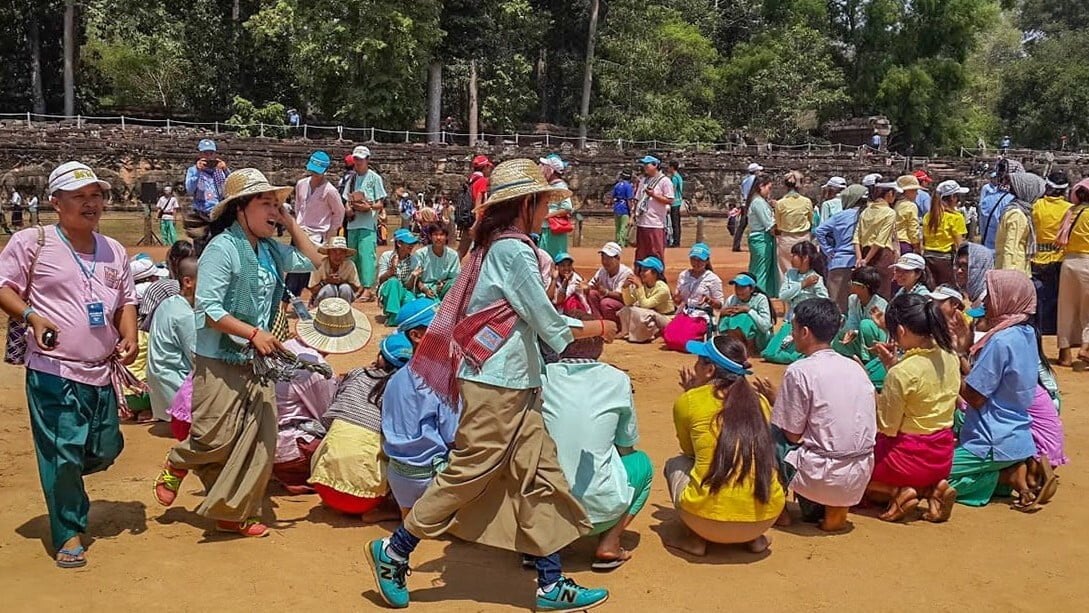
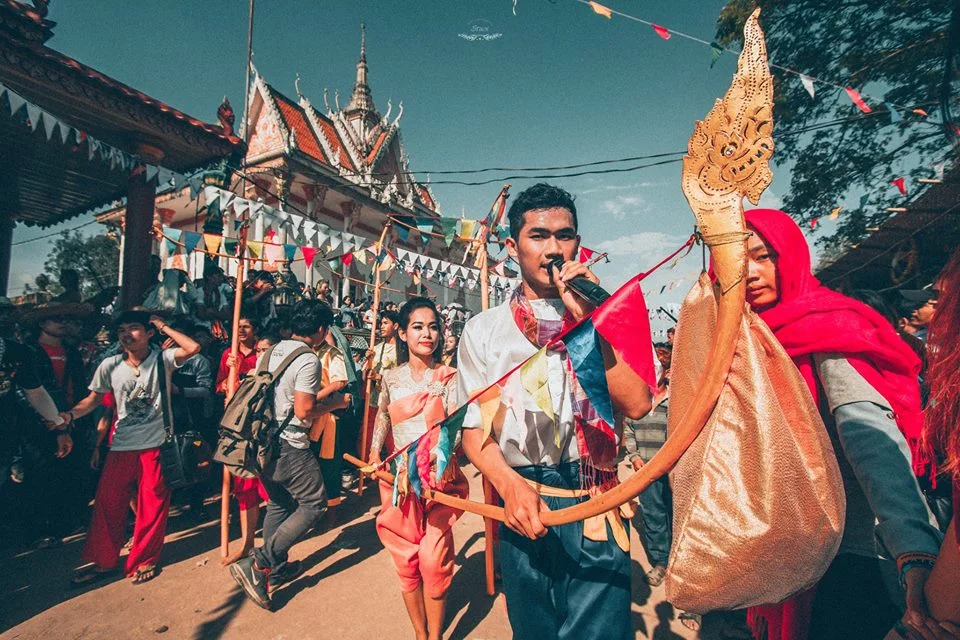
Every April, Cambodia bursts into joyous celebration for Chnam Thmey—Khmer New Year. Marking the end of the harvest season and the transition into a new solar year, this three-day national holiday brings families back to their ancestral villages for sacred pagoda rituals, charitable giving, and vibrant community festivities.
Origins and the Harvest Calendar
Unlike the Gregorian New Year in January, Chnam Thmey follows the ancient solar calendar and falls in mid-April, coinciding with the completion of the main rice harvest. For centuries, this window offered rural farming communities a well-earned pause to rest, celebrate abundance, and prepare spiritually before the summer monsoon rains arrive.
In Khmer folklore, the New Year is ushered in by one of seven celestial angels (Tevoda), daughters of Kabil Maha Prum. Each year, a specific angel descends to watch over the kingdom depending on the day of the week the New Year begins, prompting families to set up elaborate home altars with fruit, incense, candles, and drinks at the exact astrological hour of arrival.
Day 1: Maha Songkran (Welcoming the New Year)
The first day, Maha Songkran, marks the end of the old year and the arrival of the new one. Families thoroughly clean and decorate their homes, lighting incense and candles at their welcoming tables to receive blessings from the incoming Tevoda.
Across towns and villages, people dress in new traditional attire and visit local pagodas to offer food to monks, listen to Dharma teachings, and gain merit for the year ahead.
Day 2: Virak Wanabat (Charity and Sand Stupas)
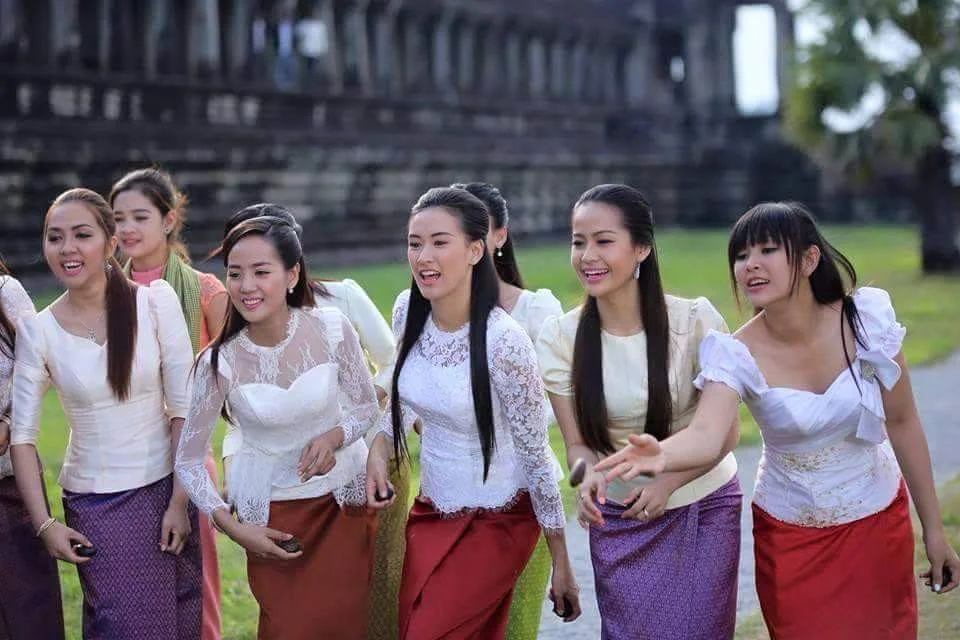
The second day, Virak Wanabat, is dedicated to generosity, filial piety, and community solidarity. Children present gifts, new clothes, and monetary offerings to their parents, grandparents, and elders as an expression of gratitude.
In the afternoon, devotees gather at pagoda courtyards to build Phnom Khsach—mounds of sand shaped like stupas and decorated with colorful flags. Each grain of sand represents a past misdeed washed away, symbolizing purification and collective prayers for peace and prosperity.
Day 3: Tngai Loeung Sak (Bathing Rituals and Blessings)
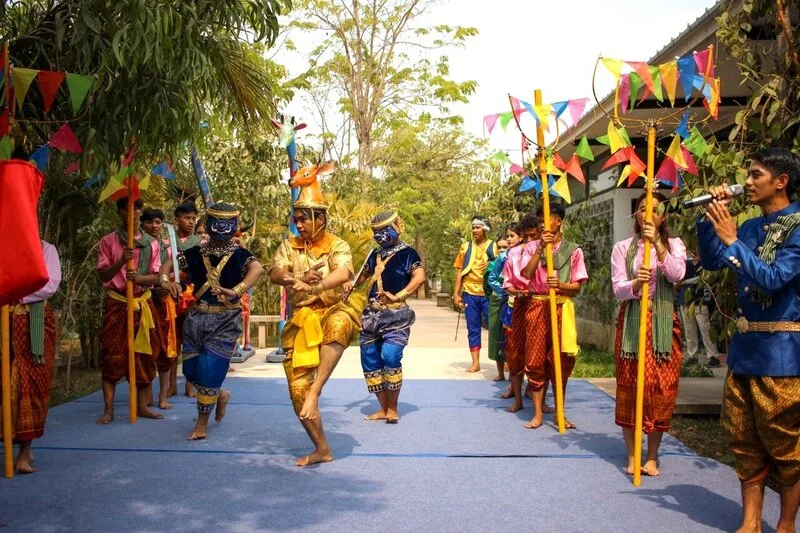
On the final day, Tngai Loeung Sak, the new calendar year officially begins. Buddhists perform the Sroung Preah ceremony, gently pouring jasmine-scented water over Buddha statues to cleanse away bad luck and invite refreshing rains for the upcoming farming cycle.
Families extend this blessing ritual to their elders and parents, washing their hands and feet with fragrant water while receiving heartfelt wishes for health, longevity, and good fortune before returning to work and city life.
សំណួរមុនចេញដំណើរ
When is Khmer New Year (Chnam Thmey) celebrated?
Chnam Thmey (Khmer New Year) is celebrated annually in mid-April, usually from April 13 to 15 or April 14 to 16, marking the end of the dry-season harvest before the monsoon rains begin.
What are the three days of Khmer New Year?
The three days are Maha Songkran (welcoming the new year angel), Virak Wanabat (giving charity to parents, elders, and the less fortunate), and Tngai Loeung Sak (ceremonial bathing of Buddha statues and elders).
ប្រភព និងអត្ថបទសម្រាប់អានបន្ថែម
- Ministry of Culture and Fine Arts Cambodia — Traditional Festivals
- Ministry of Tourism Cambodia — Khmer New Year Guide
Compiled from verified Cambodian cultural records and Ministry of Culture and Fine Arts references.