
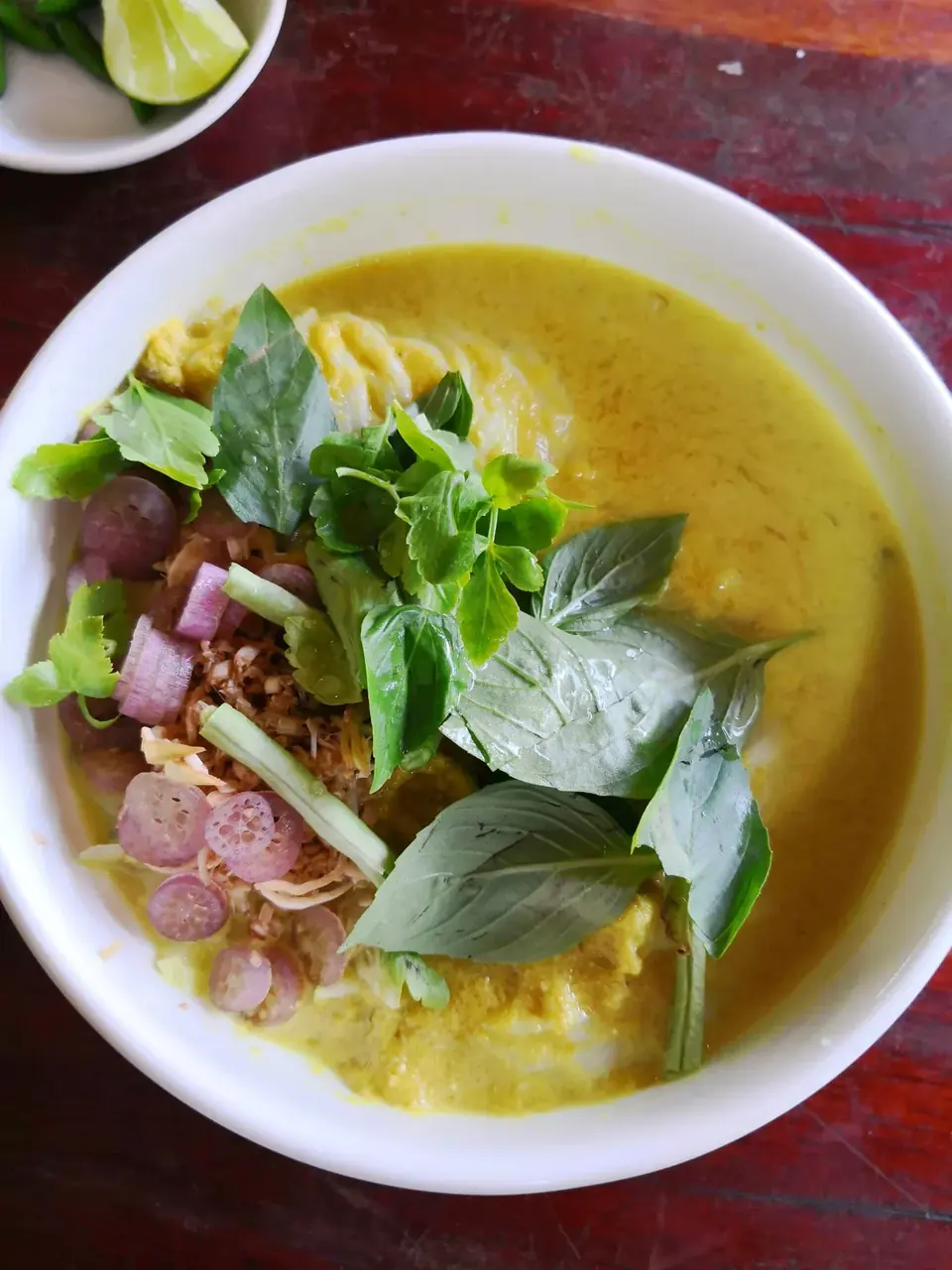
Prahok is the undeniable culinary backbone of Cambodia. More than a condiment, this salt-fermented freshwater fish paste has sustained Khmer households across centuries, providing an irreplaceable savory depth that defines authentic Cambodian home cooking.
The Tonle Sap Harvest and Prahok Season
The story of prahok is bound to the annual flood pulse of the Tonle Sap lake and the Mekong river basin. Between December and February, millions of small freshwater fish known as trey riel migrate downstream as the floodwaters recede.
During this seasonal peak, rural families travel to riverbanks in Kampong Chhnang, Kandal, and Phnom Penh to purchase baskets of fresh fish in bulk. The riverbanks buzz with communal activity as people scale, gut, wash, and salt the fish, kicking off the nationwide preserving season.
Curing Craft: From Salt to Ceramic Jars
After the fish are thoroughly cleaned and drained, they are stamped or pressed to remove excess water, dried in the sun for a day, and mixed thoroughly with coarse sea salt from Kampot. The salted fish is then tightly packed into large glazed earthenware jars (peang).
Weighed down under bamboo lattices and sealed away from air, the fish ferments steadily over several months to over a year. The fermentation breaks down proteins into intense savory compounds, transforming perishable fish into a stable food reserve capable of surviving Cambodia's tropical climate.
Culinary Uses: From Dips to Simmered Soups
Prahok functions as both an all-purpose seasoning and a star ingredient. A spoonful melted into simmering broth provides the savory foundation for traditional sour soups (samlor mchu).
As a standalone centerpiece, it takes multiple beloved forms: Prahok Ktis (minced pork simmered with prahok, coconut milk, pea eggplants, and kroeung curry paste), Prahok Ang (paste wrapped in banana leaves and grilled over charcoal), and Prahok Chien (pan-fried with garlic and chili). These dishes are served alongside heaps of crisp, fresh raw vegetables like winged beans, green eggplant, and cucumber.
Tips for Travelers Trying Prahok
For travelers encountering prahok for the first time, jumping straight into pungent raw preparations can be intimidating. Start with cooked dishes like Prahok Ktis, where rich coconut cream, aromatic lemongrass, and ground pork mellow the pungency into a complex, comforting dip.
Ordering with a bowl of warm jasmine rice and plenty of fresh raw vegetables balances the rich umami flavors, offering an authentic gateway into the foundational taste of Cambodian life.
សំណួរមុនចេញដំណើរ
What is Prahok made from?
Prahok is made by salting and fermenting small freshwater fish (such as trey riel) from the Tonle Sap lake and Mekong river systems in clay jars for several months.
How is Prahok typically eaten?
While intense when raw, Prahok is most often enjoyed cooked—steamed with pork and eggs (Prahok Ktis), fried with lemongrass, or roasted in banana leaves, developing a rich, savory umami profile.
ប្រភព និងអត្ថបទសម្រាប់អានបន្ថែម
- FAO — Fisheries and Aquatic Food Systems in Cambodia
- Ministry of Agriculture, Forestry and Fisheries Cambodia
Researched and compiled with verified Cambodian culinary heritage documentation and agricultural archives.